Myopia Control

Myopia (Nearsightedness) & Myopia Control
What Is Myopia?
Myopia (nearsightedness) is rapidly becoming more common—nearly 50% of North Americans are expected to have myopia by 2030. It occurs when the eye grows too long, causing blurry distance vision.
At our practice, we take a proactive approach to pediatric eye care, focusing not just on seeing clearly today—but protecting your child’s vision for the future.
We perform comprehensive pediatric eye exams starting at age 3, which allows us to detect early signs of myopia and even identify children who are at risk before significant vision changes occur.
Myopia can begin early and often worsens as children grow. Many kids don’t realize their vision is blurry, so signs like squinting, sitting close to screens, or struggling in school may go unnoticed.
With increased screen time, it’s more important than ever to:
Take breaks every 60 minutes (at least 5 minutes)
Spend at least 90 minutes outdoors daily
Early detection is key. The younger a child develops myopia, the faster it can progress—making routine pediatric eye exams essential.
Why Myopia Control Matters
Myopia is more than just needing glasses—it’s linked to higher risks of serious eye conditions later in life, including retinal problems and eye disease.
Controlling myopia progression helps:
Protect long-term eye health
Improve performance in school and activities
Reduce dependence on stronger prescriptions over time
Myopia Control Options We Offer
Essilor Stellest lenses
Stellest™ lenses are advanced myopia control glasses designed for children who prefer spectacles.
Uses highly aspherical lens technology (HALT)
Clinically shown to significantly slow myopia progression
Comfortable, non-invasive option
Ideal for younger children or those not ready for contact lenses
MiSight 1 day contact lenses
MiSight® 1 day lenses are the first and only FDA-approved soft contact lenses specifically designed to slow myopia progression in children.
Dual-focus design for clear vision + treatment
Proven to slow myopia progression over multiple years
Daily disposable = clean, convenient, and safe
Ideal for active kids who prefer not to wear glasses
Historical & Alternative Myopia Control Options
Before newer technologies like Stellest™ and MiSight® became available, several other approaches were used to help manage myopia progression. While still used in some settings, they are not part of our in-office treatment offerings:
Orthokeratology (Ortho-K): Overnight lenses that temporarily reshape the cornea for daytime clear vision
Low-dose atropine drops: Medicated eye drops used nightly to slow eye growth
Soft multifocal contact lenses: Originally designed for adults but adapted for myopia control in children
We’re always happy to discuss these options and help guide you if you’re exploring alternatives.
Schedule Your Child’s Eye Exam
If your child is having difficulty seeing far away—or has never had an eye exam—now is the time to act.
Starting at age 3, our pediatric eye exams can detect early myopia and identify risk factors before vision problems impact learning and development.
Early treatment can make a lasting difference in your child’s vision and eye health.
Call today to schedule a pediatric eye exam and learn how we can help manage and slow myopia progression.
Quick Links
Helpful Articles
article_category: products
article_category: psychiatry
article_category: faqs
article_category: cats
article_category: general
article_category: services
article_category: technology
article_category: dogs
article_category: restorative
article_category: vision therapy
article_category: contact lenses
article_category: health
article_category: conditions
article_category: eye surgery co-management
article_category: exotic
article_category: cosmetic
article_category: surgical procedures
article_category: aesthetics
article_category: preventative
article_category: ocular disease management
article_category: eyeglasses
article_category: eye health
article_category: large animal
[]
article_category: psychiatry
article_category: faqs
article_category: cats
article_category: general
article_category: services
article_category: technology
article_category: dogs
article_category: restorative
article_category: vision therapy
article_category: contact lenses
article_category: health
article_category: conditions
article_category: eye surgery co-management
article_category: exotic
article_category: cosmetic
article_category: surgical procedures
article_category: aesthetics
article_category: preventative
article_category: ocular disease management
article_category: eyeglasses
article_category: eye health
article_category: large animal
[]
Flowbite is an open-source library of interactive components built on top of Tailwind CSS including buttons, dropdowns, modals, navbars, and more.
Check out this guide to learn how to get started and start developing websites even faster with components on top of Tailwind CSS.
All Eye Care Services
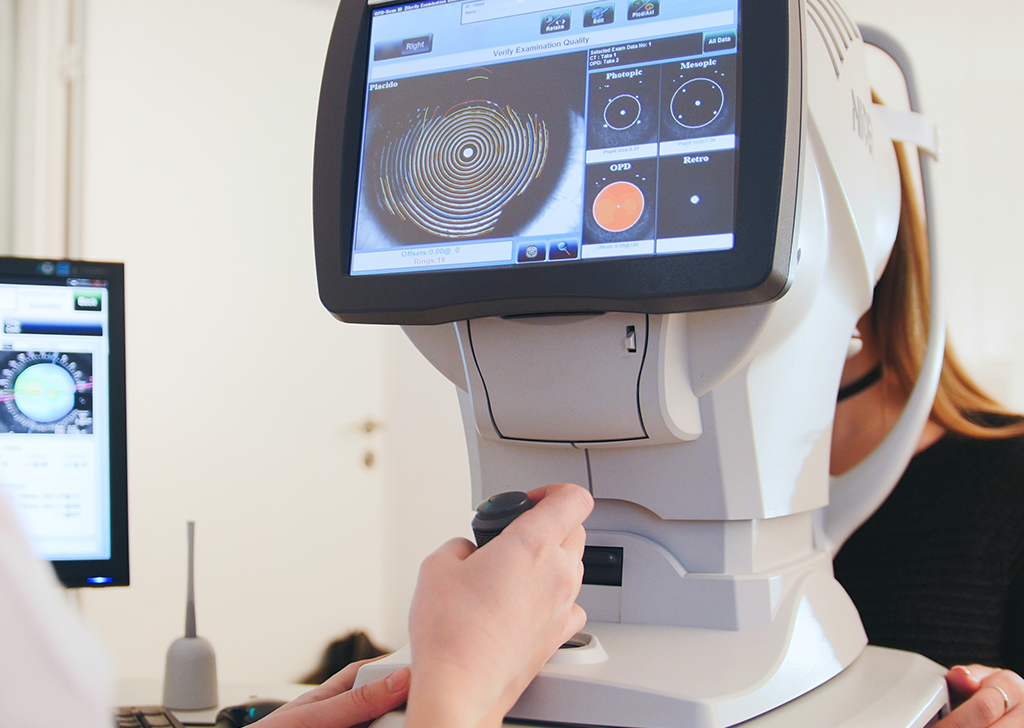
Find personalized eye care excellence with our comprehensive services. From eye exams to advanced diagnostics, trust us for all your vision needs.

Keep In Touch
For non-urgent questions or to learn more about our services, contact us today!
Quick Links
Eye Care Services
Contact Info
- 1608 Pleasure House Rd, Suite 106
Virginia Beach, VA 23455 - Phone: (757) 460-9402
- Fax: (757) 447-2636
Hours of Operation
- Monday 8:00am - 5:00pm
- Tuesday 8:00am - 5:00pm
- Wednesday 8:00am - 5:00pm
- Thursday 8:00am - 5:00pm
- Friday 8:00am - 5:00pm
- Saturday Closed
- Sunday Closed
- Monday
- Tuesday
- Wednesday
- Thursday
- Friday
- Saturday
- Sunday
- Monday
- Tuesday
- Wednesday
- Thursday
- Friday
- Saturday
- Sunday
© 2026 Seascape Eyecare Associates. All rights Reserved - Accessibility Statement - Privacy Policy - SMS Terms and Conditions - Sitemap
Managed and Designed by 