
High risk medication screening

High-Risk Medication Eye Monitoring
Certain medications can have serious side effects on your vision and eye health, sometimes without noticeable symptoms early on. At our practice, we provide advanced screening and ongoing monitoring to detect changes early and help protect your sight.
Why Monitoring Matters
Many systemic medications can affect structures of the eye such as the retina, optic nerve, or cornea. Early detection allows us to:
Prevent permanent vision loss
Communicate findings with your prescribing physician
Ensure safe continuation of your treatment
Common High-Risk Medications We Monitor
Plaquenil® (Hydroxychloroquine)
Used for conditions like lupus and rheumatoid arthritis, this medication can cause retinal toxicity (maculopathy) over time.
Recommended Testing Includes:
Visual field testing (10-2 or 24-2)
OCT (Optical Coherence Tomography)
Fundus photography
Autofluorescence imaging (if indicated)
Monitoring Frequency:
Baseline exam within the first year of use, then annually (or sooner depending on risk factors such as dosage and duration).
Tamoxifen
Commonly used in breast cancer treatment, this medication may cause crystalline retinopathy or macular changes.
Recommended Testing:
Macular OCT
Dilated retinal exam
Visual field testing (if indicated)
Ethambutol
This medication can lead to optic neuropathy, affecting color vision and central vision.
Recommended Testing:
Color vision testing
Visual field testing
Optic nerve evaluation (OCT)
Amiodarone
This medication may cause corneal deposits and optic neuropathy.
Recommended Testing:
Comprehensive eye exam
Optic nerve assessment
Visual field testing if symptoms arise
Isotretinoin (Accutane)
This medication can cause dry eye, night vision issues, and corneal changes.
Recommended Testing:
Dry eye evaluation
Corneal assessment
Night vision symptom review
Topiramate
This medication has been associated with acute angle-closure glaucoma and sudden vision changes.
Recommended Testing:
Urgent eye exam if symptoms occur
Intraocular pressure measurement
Anterior chamber evaluation
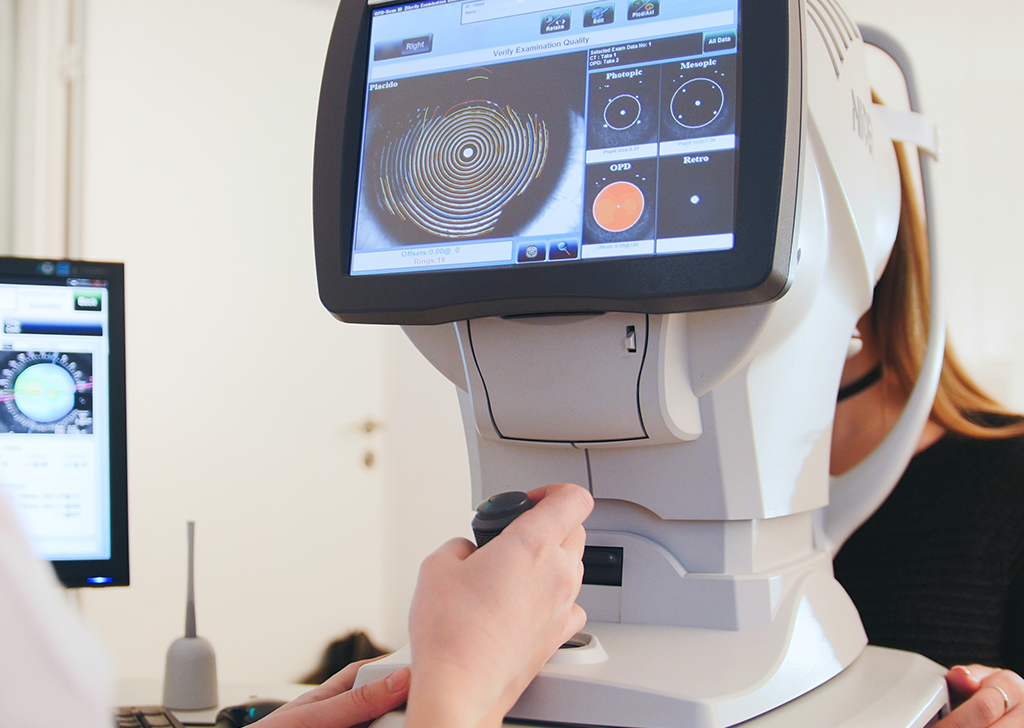
Our Advanced Diagnostic Technology
We use modern diagnostic tools to detect even subtle changes:
Optical Coherence Tomography (OCT)
Automated Visual Field Testing
Retinal Imaging
Fundus Autofluorescence
Who Should Be Tested?
You should schedule a medical eye exam if:
You are currently taking any of the medications listed above
You have been prescribed long-term or high-dose therapy
You notice changes in vision, color perception, or night vision
Coordinated Care You Can Trust
We work closely with your primary care physician, rheumatologist, oncologist, or other specialists to ensure your medications remain both effective and safe for your eyes.
Protect Your Vision
Early detection is key. If you are taking a high-risk medication, regular eye exams are essential to maintaining lifelong vision.
High-Risk Medication Eye Exams in Virginia Beach
We proudly provide specialized medication-related eye care for patients throughout Virginia Beach and the Hampton Roads area.
Quick Links
Helpful Articles
article_category: products
article_category: psychiatry
article_category: faqs
article_category: cats
article_category: general
article_category: services
article_category: technology
article_category: dogs
article_category: restorative
article_category: vision therapy
article_category: contact lenses
article_category: health
article_category: conditions
article_category: eye surgery co-management
article_category: exotic
article_category: cosmetic
article_category: surgical procedures
article_category: aesthetics
article_category: preventative
article_category: ocular disease management
article_category: eyeglasses
article_category: eye health
article_category: large animal
[]
article_category: psychiatry
article_category: faqs
article_category: cats
article_category: general
article_category: services
article_category: technology
article_category: dogs
article_category: restorative
article_category: vision therapy
article_category: contact lenses
article_category: health
article_category: conditions
article_category: eye surgery co-management
article_category: exotic
article_category: cosmetic
article_category: surgical procedures
article_category: aesthetics
article_category: preventative
article_category: ocular disease management
article_category: eyeglasses
article_category: eye health
article_category: large animal
[]
Flowbite is an open-source library of interactive components built on top of Tailwind CSS including buttons, dropdowns, modals, navbars, and more.
Check out this guide to learn how to get started and start developing websites even faster with components on top of Tailwind CSS.
All Eye Care Services
Find personalized eye care excellence with our comprehensive services. From eye exams to advanced diagnostics, trust us for all your vision needs.

Keep In Touch
For non-urgent questions or to learn more about our services, contact us today!
Quick Links
Eye Care Services
Contact Info
- 1608 Pleasure House Rd, Suite 106
Virginia Beach, VA 23455 - Phone: (757) 460-9402
- Fax: (757) 447-2636
Hours of Operation
- Monday 8:00am - 5:00pm
- Tuesday 8:00am - 5:00pm
- Wednesday 8:00am - 5:00pm
- Thursday 8:00am - 5:00pm
- Friday 8:00am - 5:00pm
- Saturday Closed
- Sunday Closed
- Monday
- Tuesday
- Wednesday
- Thursday
- Friday
- Saturday
- Sunday
- Monday
- Tuesday
- Wednesday
- Thursday
- Friday
- Saturday
- Sunday
© 2026 Seascape Eyecare Associates. All rights Reserved - Accessibility Statement - Privacy Policy - SMS Terms and Conditions - Sitemap
Managed and Designed by 