
Glaucoma Testing & Management
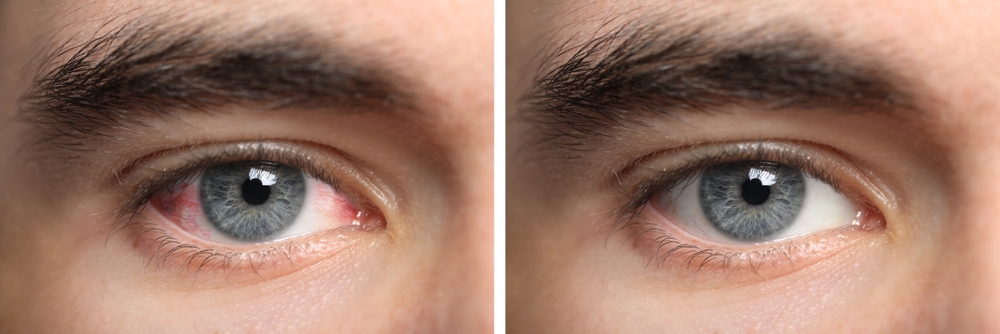
What is glaucoma?
Glaucoma is a group of eye diseases that can damage the optic nerve, the structure responsible for sending visual information from the eye to the brain. Damage is often associated with elevated eye pressure, but glaucoma can also occur even when pressure appears normal.
Glaucoma is sometimes called the “silent thief of sight” because many patients experience little to no symptoms in the early stages. Vision loss from glaucoma is often permanent and irreversible, making early detection and monitoring important.
Risk factors for glaucoma may include:
Family history of glaucoma
Elevated eye pressure
Diabetes
Long-term steroid use
High nearsightedness (myopia) (higher prescriptions may increase risk for glaucoma, retinal disease, and other ocular complications)
Previous eye injury or trauma
Age and certain ethnic backgrounds
Thin corneas
Pseudoexfoliation syndrome or pigment dispersion syndrome
Myopia (Nearsightedness) Management
Higher levels of childhood myopia may increase the risk of future eye conditions. At Seascape Eyecare Associates, myopia management options may include treatments such as MiSight 1 day and Stellest lenses for eligible children to help slow progression over time.
Does a routine eye exam check for glaucoma?
Yes. Comprehensive eye exams routinely screen for glaucoma risk factors and early signs of disease. Depending on findings, screening may include:
Eye pressure measurement (Tonometry)
Optic nerve evaluation
Review of family history and risk factors
Internal eye health examination
Because glaucoma may develop without symptoms, elevated pressure, or obvious early changes, additional testing may be recommended depending on risk level and findings.
How does our Wellness Scan go beyond routine glaucoma screening?
At Seascape Eyecare Associates, our Wellness Scan provides additional baseline information beyond routine screening, helping monitor subtle structural changes over time.
Our Wellness Scan may include:
OCT Glaucoma / Nerve imaging (OCT G)
(measures optic nerve and retinal nerve fiber layers)
Retinal imaging/photos
(creates baseline documentation for future comparison)
3D mapping and population comparisons
(compares measurements to expected norms)
Trend analysis over time
(helps monitor progression year after year)
Think of the Wellness Scan as creating a baseline record of eye health. Comparing scans over time may help identify changes earlier—even before symptoms develop.
Because glaucoma often progresses gradually, long-term comparison may be just as important as a single measurement obtained on one day.
Common Types of Glaucoma
Open-Angle Glaucoma (Most Common Type)
Develops gradually over time
Usually has no early symptoms
Often affects peripheral (side) vision first
Frequently detected during routine eye exams
Angle-Closure Glaucoma (Less Common / May Require Urgent Care)
Symptoms may include:
Eye pain
Headache
Blurred vision
Halos around lights
Nausea or vomiting
Acute angle closure may require urgent evaluation or treatment.
Normal-Tension Glaucoma
Optic nerve damage occurs despite eye pressure appearing within a normal range.
Secondary Glaucoma
Glaucoma that develops due to another condition affecting the eye’s drainage system.
Examples may include:
Pseudoexfoliation glaucoma (PXG)
(protein-like material accumulates inside the eye and interferes with fluid drainage; may progress more aggressively in some patients)
Pigmentary glaucoma
(pigment released from the iris blocks drainage channels and may increase eye pressure; more commonly seen in younger or nearsighted individuals)
Steroid-induced glaucoma
Traumatic glaucoma (injury related)
Inflammatory/Uveitic glaucoma
Diabetes or vascular disease related glaucoma
Post-surgical or other secondary causes
Congenital or Pediatric Glaucoma
Rare forms affecting infants or children.
Glaucoma Testing May Include:
At Seascape Eyecare Associates, glaucoma evaluation may include:
Eye pressure measurement (Tonometry) (checks intraocular pressure)
Optic nerve evaluation (assesses optic nerve appearance for damage)
OCT Glaucoma / Nerve Imaging (OCT G) (analyzes optic nerve and retinal nerve fiber thickness)
Visual Field Testing (checks peripheral vision loss patients may not notice)
Retinal imaging/photos (documents baseline findings and progression)
Pachymetry (measures corneal thickness which may affect pressure interpretation)
Gonioscopy (evaluates drainage angle anatomy when indicated)
Trend and progression analysis over time (compares changes year after year)
Depending on symptoms, findings, or risk factors, additional advanced testing may also include:
- Rabin Cone Contrast Test (Color Vision Testing)
- (evaluates color vision deficiencies and may help identify functional changes associated with optic nerve, retinal, or neurologic conditions when indicated)
- Advanced retinal imaging and OCT analysis
Glaucoma monitoring often relies on multiple tests and long-term comparison, rather than a single measurement.
How is glaucoma managed?
Treatment depends on glaucoma type, severity, and progression.
Management may include:
Routine monitoring and repeat testing (for low-risk or early findings)
Prescription eye drops (to reduce eye pressure)
Laser procedures (scope varies by provider and state regulations)
Co-management with ophthalmology when needed
Referral for advanced surgical treatment in certain cases
The goal of treatment is often to slow or prevent additional vision loss, since glaucoma-related damage may not be reversible.
Why early detection matters
Many patients with glaucoma feel their vision is normal until significant damage has already occurred.
Routine eye exams, baseline imaging, and ongoing monitoring may help identify changes earlier—before symptoms become noticeable.
Concerned about glaucoma or have a family history?
Schedule a glaucoma evaluation with Seascape Eyecare Associates.
Quick Links
Helpful Articles
article_category: products
article_category: psychiatry
article_category: faqs
article_category: cats
article_category: general
article_category: services
article_category: technology
article_category: dogs
article_category: restorative
article_category: vision therapy
article_category: contact lenses
article_category: health
article_category: conditions
article_category: eye surgery co-management
article_category: exotic
article_category: cosmetic
article_category: surgical procedures
article_category: aesthetics
article_category: preventative
article_category: ocular disease management
article_category: eyeglasses
article_category: eye health
article_category: large animal
[]
article_category: psychiatry
article_category: faqs
article_category: cats
article_category: general
article_category: services
article_category: technology
article_category: dogs
article_category: restorative
article_category: vision therapy
article_category: contact lenses
article_category: health
article_category: conditions
article_category: eye surgery co-management
article_category: exotic
article_category: cosmetic
article_category: surgical procedures
article_category: aesthetics
article_category: preventative
article_category: ocular disease management
article_category: eyeglasses
article_category: eye health
article_category: large animal
[]
Flowbite is an open-source library of interactive components built on top of Tailwind CSS including buttons, dropdowns, modals, navbars, and more.
Check out this guide to learn how to get started and start developing websites even faster with components on top of Tailwind CSS.
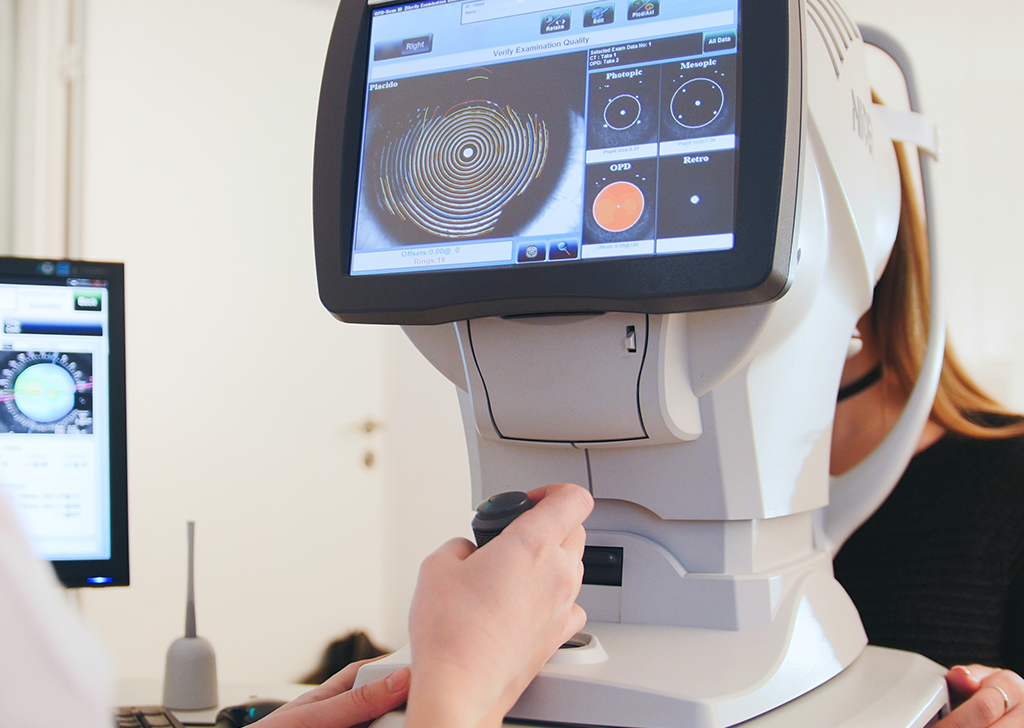
All Eye Care Services
Find personalized eye care excellence with our comprehensive services. From eye exams to advanced diagnostics, trust us for all your vision needs.

Keep In Touch
For non-urgent questions or to learn more about our services, contact us today!
Quick Links
Eye Care Services
Contact Info
- 1608 Pleasure House Rd, Suite 106
Virginia Beach, VA 23455 - Phone: (757) 460-9402
- Fax: (757) 447-2636
Hours of Operation
- Monday 8:00am - 5:00pm
- Tuesday 8:00am - 5:00pm
- Wednesday 8:00am - 5:00pm
- Thursday 8:00am - 5:00pm
- Friday 8:00am - 5:00pm
- Saturday Closed
- Sunday Closed
- Monday
- Tuesday
- Wednesday
- Thursday
- Friday
- Saturday
- Sunday
- Monday
- Tuesday
- Wednesday
- Thursday
- Friday
- Saturday
- Sunday
© 2026 Seascape Eyecare Associates. All rights Reserved - Accessibility Statement - Privacy Policy - SMS Terms and Conditions - Sitemap
Managed and Designed by 