The Long-Term Risks of Untreated Myopia in Kids
Myopia, also known as nearsightedness, is more than a childhood vision problem that requires glasses. When myopia begins early and continues to progress, it can affect a child’s daily comfort, school performance, and long-term eye health. For families in Virginia Beach, understanding the risks of untreated myopia can help parents know when to schedule a pediatric eye exam and explore myopia control options.
What Happens When a Child Has Myopia?
Myopia occurs when the eye grows too long from front to back, causing light to focus in front of the retina instead of directly on it. This makes distant objects look blurry while near objects may still appear clear.
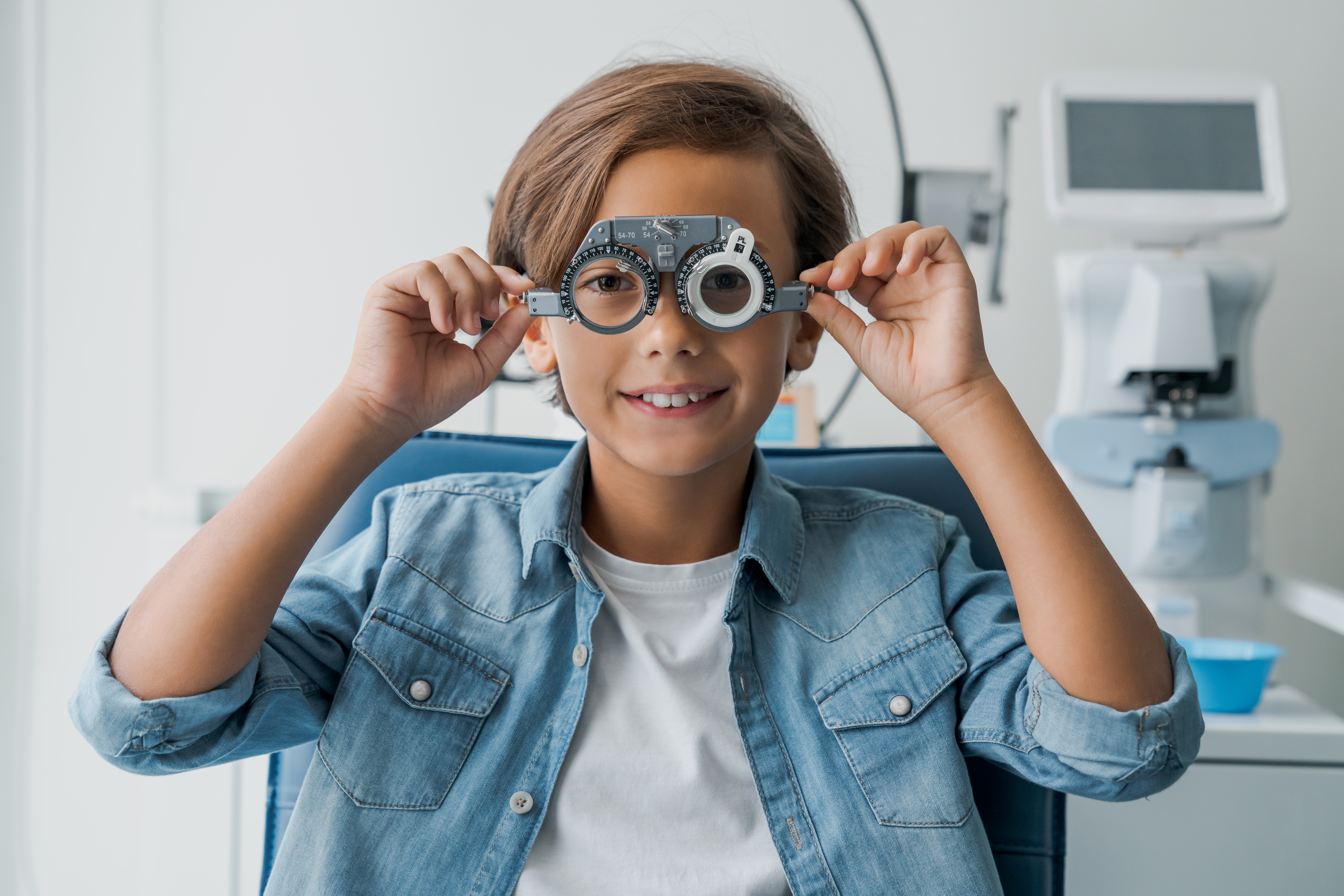
Children with myopia may squint, sit close to screens, struggle to see the board at school, or complain of headaches and eye strain. Some kids may not realize their vision is blurry, which is why routine pediatric eye exams are important for early detection.
Why Untreated Myopia Can Progress
Childhood myopia often gets worse as the eyes continue to grow. If it is only corrected with stronger glasses or contacts over time, the prescription may continue increasing without addressing the progression itself.
Myopia control focuses on slowing that progression. The goal is not just to help your child see clearly now, but also to reduce the risk of higher prescriptions and future eye health concerns.
Long-Term Risks of High Myopia
The higher a child’s myopia becomes, the more stress it can place on the internal structures of the eye. Over time, high myopia may increase the risk of serious eye conditions later in life, including:
- Retinal detachment
- Myopic macular degeneration
- Glaucoma
- Cataracts
- Thinning or stretching of the retina
- Greater dependence on stronger vision correction
These risks do not mean every child with myopia will develop eye disease. However, they do show why early monitoring and proactive myopia management can make a meaningful difference.
How Myopia Can Affect Daily Life
Untreated or worsening myopia can also affect a child’s everyday activities. Blurry distance vision can make it harder to see classroom boards, participate confidently in sports, recognize faces from a distance, or stay comfortable during schoolwork.
Children may adapt without saying anything, which can lead parents to miss the signs. Regular eye exams help identify changes early, even before a child clearly explains what they are experiencing.
Myopia Control Options For Kids
At Seascape Eyecare Associates, pediatric eye exams can help detect myopia early and identify children who may be at risk for progression. We offer myopia control options such as Essilor Stellest lenses and MiSight 1 day contact lenses, giving families choices based on a child’s age, prescription, comfort, and lifestyle.
Early treatment is especially important because the younger a child is when myopia begins, the more time it has to progress. With the right plan, parents can take a proactive step toward protecting their child’s vision for the future.
Schedule a pediatric eye exam with Seascape Eyecare Associates to explore myopia control options and help protect your child’s long-term vision. Contact our office in Virginia Beach, VA, by calling (757) 460-9402 to book an appointment today.
Quick Links
Helpful Articles
article_category: products
article_category: psychiatry
article_category: faqs
article_category: cats
article_category: general
article_category: services
article_category: technology
article_category: dogs
article_category: restorative
article_category: vision therapy
article_category: contact lenses
article_category: health
article_category: conditions
article_category: eye surgery co-management
article_category: exotic
article_category: cosmetic
article_category: surgical procedures
article_category: aesthetics
article_category: preventative
article_category: ocular disease management
article_category: eyeglasses
article_category: eye health
article_category: large animal
[]
article_category: psychiatry
article_category: faqs
article_category: cats
article_category: general
article_category: services
article_category: technology
article_category: dogs
article_category: restorative
article_category: vision therapy
article_category: contact lenses
article_category: health
article_category: conditions
article_category: eye surgery co-management
article_category: exotic
article_category: cosmetic
article_category: surgical procedures
article_category: aesthetics
article_category: preventative
article_category: ocular disease management
article_category: eyeglasses
article_category: eye health
article_category: large animal
[]
Flowbite is an open-source library of interactive components built on top of Tailwind CSS including buttons, dropdowns, modals, navbars, and more.
Check out this guide to learn how to get started and start developing websites even faster with components on top of Tailwind CSS.
All Eye Care Services
Find personalized eye care excellence with our comprehensive services. From eye exams to advanced diagnostics, trust us for all your vision needs.

Keep In Touch
For non-urgent questions or to learn more about our services, contact us today!
Quick Links
Eye Care Services
Contact Info
- 1608 Pleasure House Rd, Suite 106
Virginia Beach, VA 23455 - Phone: (757) 460-9402
- Fax: (757) 447-2636
Hours of Operation
- Monday 8:00am - 5:00pm
- Tuesday 8:00am - 5:00pm
- Wednesday 8:00am - 5:00pm
- Thursday 8:00am - 5:00pm
- Friday 8:00am - 5:00pm
- Saturday Closed
- Sunday Closed
- Monday
- Tuesday
- Wednesday
- Thursday
- Friday
- Saturday
- Sunday
- Monday
- Tuesday
- Wednesday
- Thursday
- Friday
- Saturday
- Sunday
© 2026 Seascape Eyecare Associates. All rights Reserved - Accessibility Statement - Privacy Policy - SMS Terms and Conditions - Sitemap
Managed and Designed by 